

The Importance of Compliance Tracking Dashboards in Management
Managing cyber risk in today’s interconnected business environment is no small task. You need tools that help you stay ahead of threats, monitor your compliance status, and make informed decisions quickly. That’s where compliance tracking dashboards come in. These dashboards provide a clear, real-time view of your compliance posture, helping you manage risks effectively across your organization and third-party ecosystems.
Why Compliance Tracking Dashboards Matter
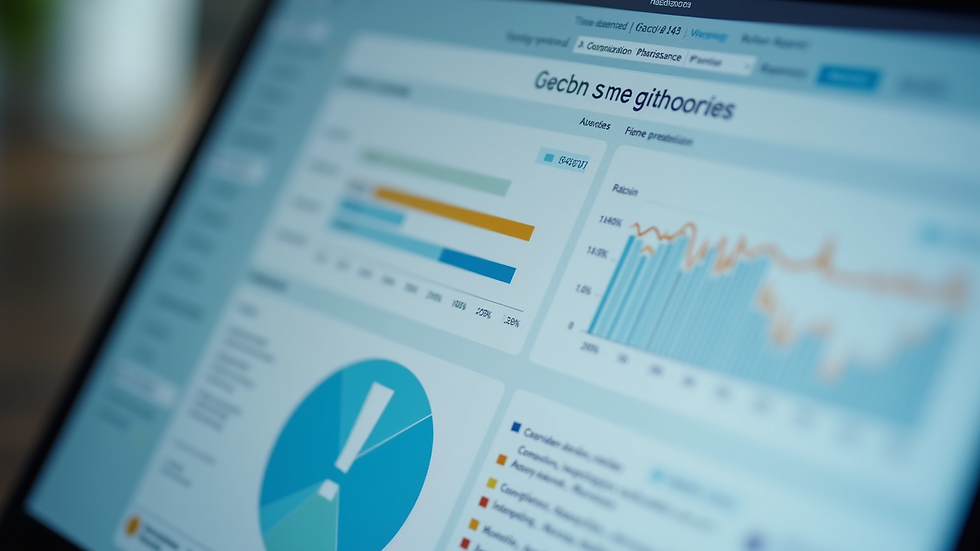
Compliance tracking dashboards are essential for businesses aiming to maintain strong cyber risk management. They consolidate complex data into an easy-to-understand format, allowing you to spot vulnerabilities and track remediation efforts without delay. When you have a centralized dashboard, you reduce the risk of missing critical compliance deadlines or overlooking gaps in your security controls.
For example, if your company must comply with regulations like GDPR or HIPAA, a compliance tracking dashboard can show you which areas meet requirements and which need attention. This visibility helps you prioritize actions and allocate resources efficiently. It also supports communication with stakeholders by providing clear reports on compliance status.
Using these dashboards, you can:
Monitor compliance metrics in real time
Identify trends and potential risks early
Track progress on remediation tasks
Generate audit-ready reports quickly

How Compliance Tracking Dashboards Enhance Cyber Risk Management
Cyber risk management depends on timely, accurate information. Compliance tracking dashboards deliver this by integrating data from multiple sources, such as security tools, audit logs, and policy management systems. This integration gives you a holistic view of your security posture and compliance status.
Dashboards also help you manage third-party risks. Many cyber incidents originate from vendors or partners with weak security controls. By including third-party compliance data in your dashboard, you can monitor their risk levels and enforce necessary controls. This proactive approach reduces your overall exposure to cyber threats.
Moreover, dashboards support continuous improvement. They allow you to set benchmarks, measure performance over time, and adjust your strategies based on data-driven insights. This ongoing process is crucial for staying compliant in a rapidly evolving regulatory landscape.
What are the four types of dashboards?
Understanding the different types of dashboards can help you choose the right one for your compliance needs. Generally, dashboards fall into four categories:
Strategic Dashboards
These provide a high-level overview of compliance and risk metrics. They are designed for executives and decision-makers who need to track overall performance and long-term trends.
Operational Dashboards
Focused on day-to-day activities, these dashboards help managers monitor ongoing compliance tasks, incident responses, and remediation efforts. They provide real-time data to support quick decision-making.
Analytical Dashboards
These dashboards offer deep insights by analyzing historical data and identifying patterns. They are useful for risk analysts and compliance officers who need to investigate issues and forecast future risks.
Tactical Dashboards
Positioned between strategic and operational, tactical dashboards help mid-level managers track specific projects or compliance initiatives. They provide detailed views of progress and resource allocation.
Choosing the right type depends on your role and the level of detail you need. Many organizations use a combination of these dashboards to cover all aspects of compliance management.
Best Practices for Implementing Compliance Tracking Dashboards
To get the most out of your compliance tracking dashboards, follow these best practices:
Define clear objectives: Know what you want to achieve with your dashboard. Are you tracking regulatory compliance, vendor risk, or internal policy adherence? Clear goals guide dashboard design.
Select relevant metrics: Focus on key performance indicators (KPIs) that matter most to your compliance program. Avoid cluttering the dashboard with unnecessary data.
Ensure data accuracy: Reliable dashboards depend on accurate, up-to-date data. Automate data collection where possible and validate inputs regularly.
Make it user-friendly: Design dashboards with your audience in mind. Use simple visuals, clear labels, and intuitive navigation to make information easy to understand.
Enable real-time updates: Cyber risk changes rapidly. Real-time or near-real-time data helps you respond quickly to emerging threats.
Integrate with existing systems: Connect your dashboard to security tools, audit platforms, and vendor management systems to create a comprehensive view.
Provide training and support: Ensure users know how to interpret dashboard data and take appropriate actions.
By following these steps, you can build a dashboard that truly supports your compliance and risk management efforts.
Leveraging Compliance Dashboards for Third-Party Ecosystem Management
Managing third-party risk is a critical part of cyber risk management. Your vendors, suppliers, and partners can introduce vulnerabilities that affect your entire ecosystem. Compliance tracking dashboards help you keep these risks in check by providing visibility into third-party compliance status.
You can use dashboards to:
Track vendor certifications and audit results
Monitor contract compliance and security controls
Identify high-risk vendors requiring immediate attention
Automate alerts for compliance breaches or expirations
This proactive monitoring allows you to enforce security standards across your supply chain and reduce the likelihood of breaches caused by third parties.
Additionally, dashboards facilitate collaboration. Sharing compliance data with vendors encourages transparency and accountability. It also helps you align security practices and respond faster to incidents.
Moving Forward with Compliance Tracking Dashboards
Incorporating compliance tracking dashboards into your cyber risk management strategy is a smart move. They provide clarity, improve decision-making, and help you stay ahead of regulatory requirements. By centralizing compliance data and offering actionable insights, these dashboards empower you to protect your digital assets and reduce cyber threats.
As cyber risks continue to evolve, your ability to monitor and manage compliance effectively will be a key differentiator. Investing in a robust compliance tracking dashboard is an investment in your organization's resilience and long-term success.
For more information on how to implement effective compliance dashboards, explore resources that focus on integrating these tools into your existing risk management framework. Remember, the right dashboard is not just a reporting tool - it is a strategic asset that drives continuous improvement and risk reduction.


Comments